
In November 2018, Elon Musk tweeted: “There are way easier places to work, but nobody ever changed the world on 40 hours a week.” Asked how many hours it does take, he answered: “Varies per person, but about 80 sustained, peaking above 100 at times.”
If a friend told me that, I would be concerned. But a lot of people read it as advice, and plenty of us have been living by it for years.
Why does resting feel like failing?
Because somewhere along the way, effort became the measure of your worth. Not results, not who you are: effort. So when you stop, it doesn’t feel like a pause. It feels like you’ve stopped earning your place.
And our society pays people to think that way. The founder who works 100 hours a week gets the investment. The salaryman who sleeps in the office gets the promotion. The athlete who plays through an injury gets the praise. No pain, no gain.
Where does the guilt about resting come from?
It isn’t only work. It’s also the stories we grow up on. The Lord of the Rings, the Marvel films, the DC films: hours of someone fighting the hardest ordeal imaginable, nearly to the death. We’ve yet to see the movie where Iron Man just chills for two hours with Jarvis and Pepper Potts.
Hollywood even has a recipe for it. Joseph Campbell described it in 1949, and Christopher Vogler, a story analyst at Disney, turned it into a screenwriting guide. You know it as the hero’s journey: leave home, survive terrible trials, kill the dragon, come back as someone else.
Put work culture and Hollywood together and you get the hero archetype switched on in most of us. An archetype is Jung’s word for an image that keeps showing up in myths and dreams across cultures, and the hero is the part of you that faces the dragon and pushes through.
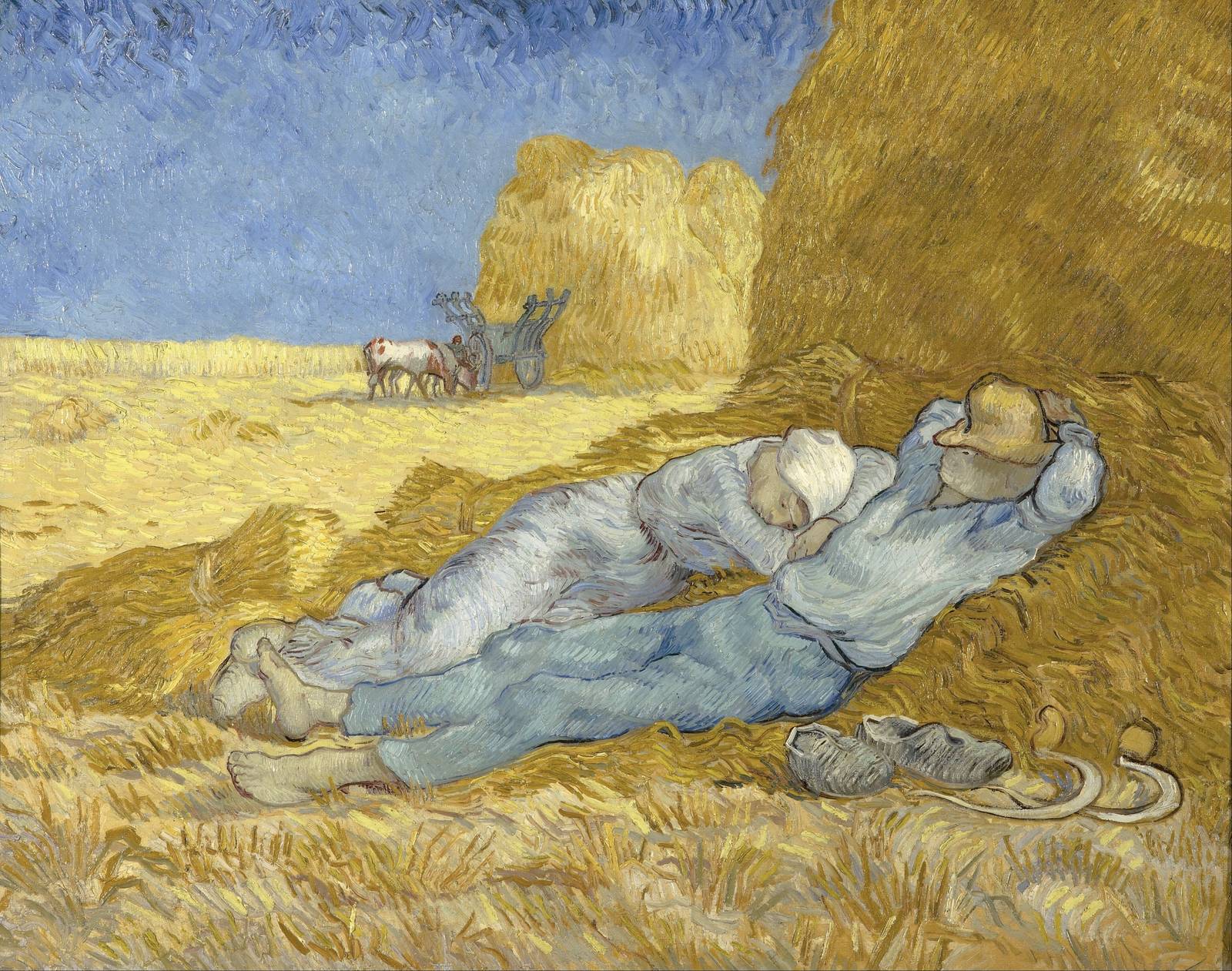
Why do I feel guilty doing nothing?
Because the hero is still on, with nothing to fight. You’ll usually notice it in two places:
- A quiet day. A Sunday with nothing done doesn’t feel like rest. It feels like falling behind.
- A question under everything: if I’m not great, if I don’t change the world, what’s the point of me?
Can feeling guilty for resting lead to burnout?
It can push you there. Heroes don’t stop when it hurts, that’s the whole point of them. So you push through the pain until your body makes the decision for you: the back that goes, the flu that won’t leave, the tiredness sleep doesn’t fix. And when it does give up, you blame yourself for being weak.
The World Health Organization describes burnout as the result of chronic work stress that hasn’t been managed, with three signs: exhaustion, growing distance or cynicism about your job, and feeling less effective at it. My take: guilt about resting is one of the ways the stress goes unmanaged. The recovery never happens, because recovering feels like failing.
If your body has already made that decision for you, the first conversation is with a doctor, not with a blog post.
Is pushing through always bad?
No. The hero archetype is not bad. It helps us go through tough times, it gives us strength and courage, and it changes us when we need to change. But it’s built for hard stretches. It needs to be short-lived.
Even the original recipe says so. Campbell’s hero doesn’t live in the trials. After the ordeal comes the return, and the last stage in his book is called Freedom to Live. Films give the return ten minutes before the credits. Hustle culture skips it altogether.
Jung learned it himself. In his memoir he describes a dream from December 1913 in which he kills Siegfried, the hero of German legend. He came to read it as the end of his own heroic attitude, getting his way by sheer force of will. It no longer fitted his life.
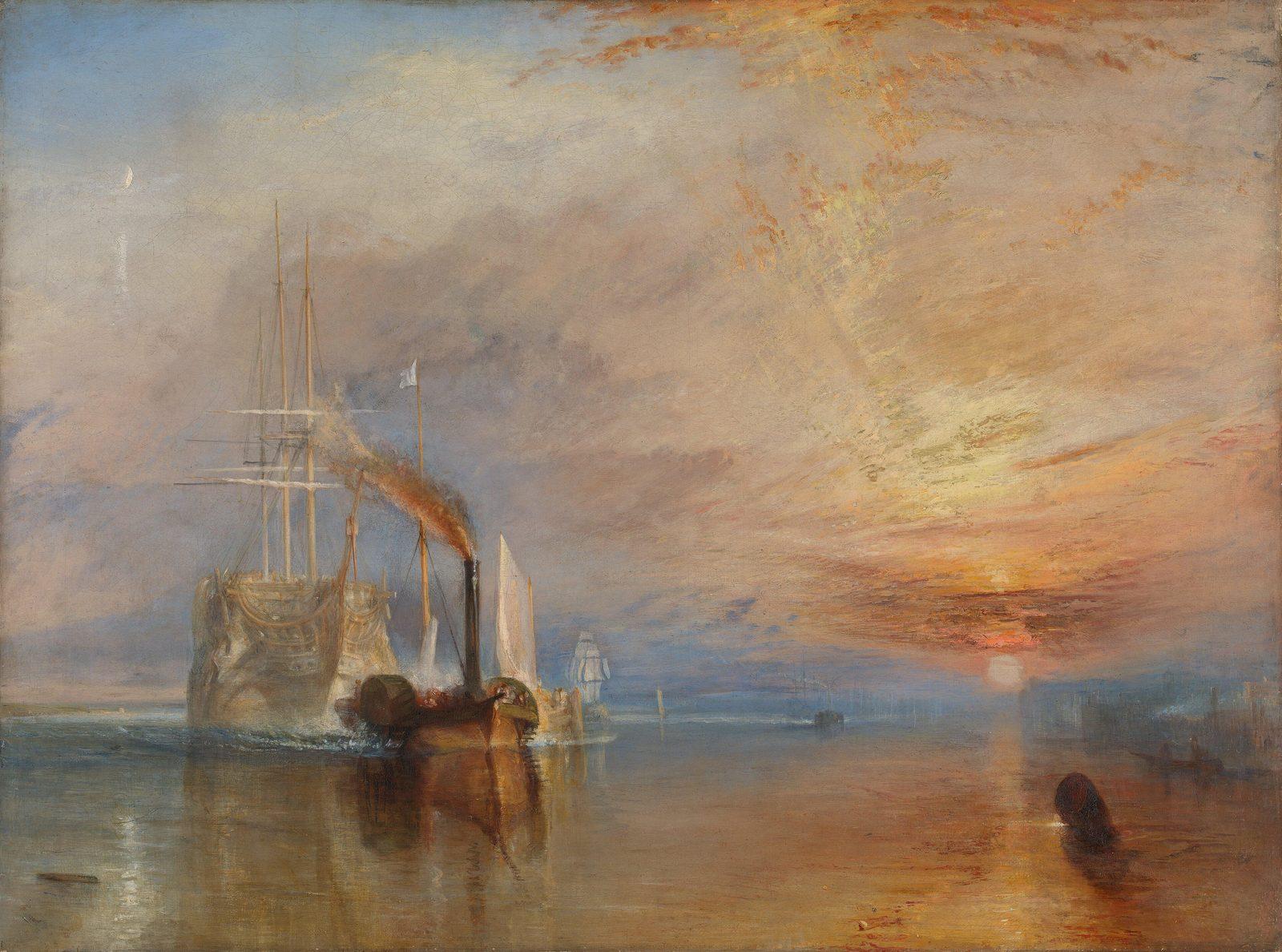
Frodo got to rest. Why can’t we?
The Lord of the Rings doesn’t end when the ring is destroyed. Frodo comes home to the Shire and can’t settle, still hurting from the quest. Before he sails West to the Undying Lands, he tells Sam: “I tried to save the Shire, and it has been saved, but not for me.”
Tolkien knew the hero pays for it, and that the story isn’t over until the hero is allowed to stop. Frodo ends his story resting in the Undying Lands, while we are stuck in Mordor.
How do I stop feeling guilty for resting?
Honestly, telling yourself that rest is productive rarely works. The guilt doesn’t run on arguments, so arguments don’t reach it. What helps more is noticing when the hero is running with no emergency in sight, and asking what it’s doing for you. Often the push holds a job underneath. Seeing that job clearly doesn’t switch it off, but it gives you something to work with.
One concrete place to look: the gap between what you say you want and what your imagination keeps reaching for. Research has shown for decades that the drive to achieve in people’s stories and the one they report on a questionnaire predict different things (McClelland, Koestner and Weinberger, 1989). My free picture story test puts the two side by side in about five minutes.
Questions people ask
Why do I feel guilty when I rest?
Usually because you learned to measure your worth in effort, and work culture and hero stories keep reinforcing it. When you stop, it feels like you’ve stopped earning your place, so rest registers as failure instead of recovery.
Is feeling guilty for resting a sign of burnout?
Not on its own, but it can lead there, because it blocks recovery: you keep going when you need to stop. If you’re exhausted most of the time, cynical about your work and getting less done however hard you try, talk to a doctor.
What is hustle culture?
The belief that your worth is proved by constant work, long hours and sacrifice, often celebrated by founders and on social media. Elon Musk’s 2018 tweet that nobody ever changed the world on 40 hours a week is a well-known example.
Did Elon Musk say people should work 80 hours a week?
Yes, on Twitter in November 2018. Asked how many hours it takes to change the world, he replied “about 80 sustained, peaking above 100 at times”, and added that pain increases exponentially above 80.
What is the hero archetype?
In Jung’s psychology, an image that recurs in myths and dreams across cultures: the figure who faces an ordeal and comes through it changed. In everyday life it’s the part of you that pushes through hard times.
Dr. Walid Messaoudi